Month: October 2023

Learning from a Diverse and Inclusive

Exploring Knowledge Through Different Perspectives

In this fast-paced era, Personal Learning Networks (PLNs) have become our vital channels to broaden horizons and acquire new knowledge. For me, a diverse and inclusive PLN has not only enriched my learning experience but also provided valuable insights from different cultures and communities.

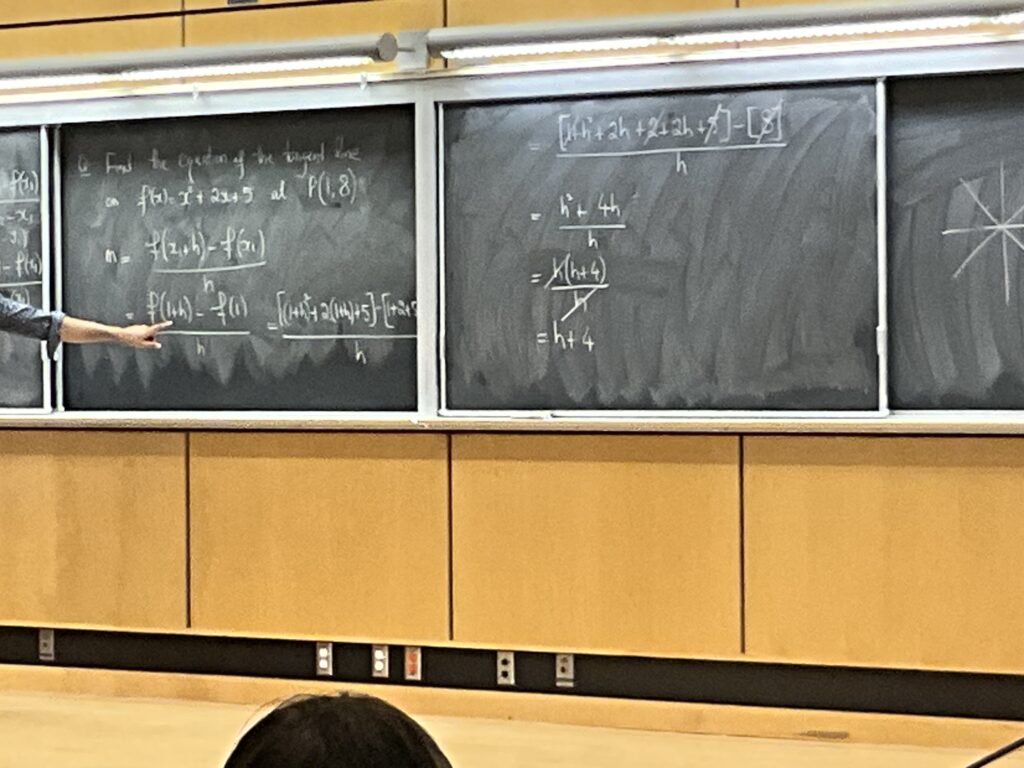
I recall during the EDCI338 course, feeling the diverse understandings and applications of PLNs from classmates of different backgrounds. Everyone had their unique insights, and they utilized PLNs to better their learning and growth. For instance, I discovered some calculus teaching videos on YouTube, which I was totally unaware of before. These videos explained complex concepts in a simple and clear manner, saving me from many detours in my learning journey in calculus.

This kind of diverse interaction and inclusive learning environment is the core idea of Public Media 2.0. It emphasizes how open and diverse networked media environments foster public discussions and multi-faceted information dissemination. Just like what I observed in the class, different backgrounds and perspectives brought a rich palette to our learning.

Of course, the world of PLNs is not always about positive and useful information. Sometimes, you might encounter some inaccurate or inapplicable advice. However, this also taught me how to discern and select information, finding the resources that truly help.

Markiel Simpson mentioned in the Podcast for Week Seven that he views social media like Twitter more as a scientific tool. I resonate with this viewpoint strongly. Although I don’t often share personal life on social media, I indeed obtain a lot of useful information from it. For example, in high school, I would follow some influencers to get the release information of limited-edition sneakers. Whenever a new style was released, I would try to purchase it and then resell it to earn some living expenses. This process not only taught me how to quickly obtain and process information but also let me experience the operation of market economy.

Through these experiences, I profoundly understand that a diverse and inclusive PLN helps us see different worlds, making our learning and growth more colorful and varied. The proliferation and development of social media have provided us with an excellent platform to easily access different perspectives and ideas from around the world, also giving us the opportunity to grow together through interaction and assistance.
The Necessity for Social Media Success

How would you create a PLN prior to engaging in a social media campaign on a topic of your choice?

Introduction

From the interview with Sophie Lui, we got to know that around ten to twenty years ago, tech wasn’t as cool as it is now. Creating and expanding Personal Learning Networks (PLNs) was quite a drag and a tad monotonous. Unlike today’s variety of communication ways, back then, folks had to flip through phone books to reach out to people in the fields they were keen on, usually by making calls or sending texts. For instance, actors or models looking to get the attention of directors had to go through the hassle of recording videos of themselves on tapes and mailing them over to the directors. This method of expanding PLNs was super inefficient. However, as tech got its groove on, we now have many ways to create and expand PLNs, with social media being the big kahuna. To hit it big in your career, having a solid PLN is indispensable. Social media gives everyone a stage to swiftly convey and showcase their needs and strengths, opening doors to job opportunities or the help they seek.

Identifying Learning Goals

Before diving into social media campaigns, it’s crucial to have your learning goals and needs on lock. For example, if you’re a designer, you might want to flaunt your creations and rub elbows with experts in your field.

Researching and Identifying Resources

Social media is your buddy when it comes to finding resources and communities related to your field effortlessly. For instance, on Twitter, by posting pics of your design pieces, you can attract folks with the same interests and make connections.

Establishing Connections and Relationships

Posting content related to your field on Twitter over time can help you bump into experts in your area. By interacting with them, you can broaden your PLN and snag the stuff you need.

Engaging and Contributing

Being active in discussions and events on social media, sharing your two cents, and learning from others are key steps to building and stretching out your PLN.

Reflecting and Adjusting Your PLN

Based on feedback and what you’ve learned, you might need to tweak your social media strategies and PLN. Continuous reflection and adjustments will help you use your PLN more effectively, setting the stage for your social media campaign success.

Conclusion

Social media isn’t just a platform to strut your stuff; it’s a vital tool for building and stretching out your PLN. By making the most of social media and your PLN, you can ramp up your visibility, extend your professional network, and create more possibilities for your career or projects.

Inclusion in the Age of Digital PLNs

The concept of inclusion, as I’ve come to understand it, has evolved dramatically over the years. During my time in school, the Personal Learning Network (PLN) I encountered felt formulaic and restricted. Echoing sentiments from the “Podcast for the Week Five,” schools often failed to nurture my genuine interests, enforcing a curriculum that didn’t always resonate with my passions.

In the traditional education system, we’re often channeled into set paths. It’s not merely about fostering a love for subjects; it’s about fulfilling mandatory criteria. You may adore engineering concepts, but that love is challenged when confronted with intricate physics or complex mathematics that come with the package. If one cannot graduate due to the subject’s difficulty, one might end up pursuing something else, potentially even an area of disinterest. This approach embodies the stark lack of inclusivity in our educational systems: we’re made to fit into pre-defined molds, limiting our true potential.

However, the advent of digital platforms and social media has given birth to a new era of PLNs. These online networks ooze inclusivity. They enable us to delve into niche topics of interest without the heavy cost that traditional educational avenues demand. While they might not offer a formal degree, which might be a golden ticket to job opportunities, they do provide in-depth knowledge tailored to individual preferences.

Why has there been a shift from conventional to online PLNs? Simply put, online platforms offer more inclusivity and specificity. In a world dictated by preset standards, social media and digital platforms break those chains, allowing us to learn freely, without the pressure of unwanted or unnecessary information.

In the broader perspective, the transition from conventional to online PLNs reflects a societal recognition of the benefits garnered in the digital realm. Content creators find monetary value and wider outreach, while learners access more tailored and precise knowledge. This shift from real-life to online PLNs stands as testament to which method holds greater efficacy. As the world continues to digitize, it’s clear that online PLNs will play a pivotal role in shaping the future of learning and content dissemination.

The Digital Age

Building Professional Networks on Non-Traditional Platforms


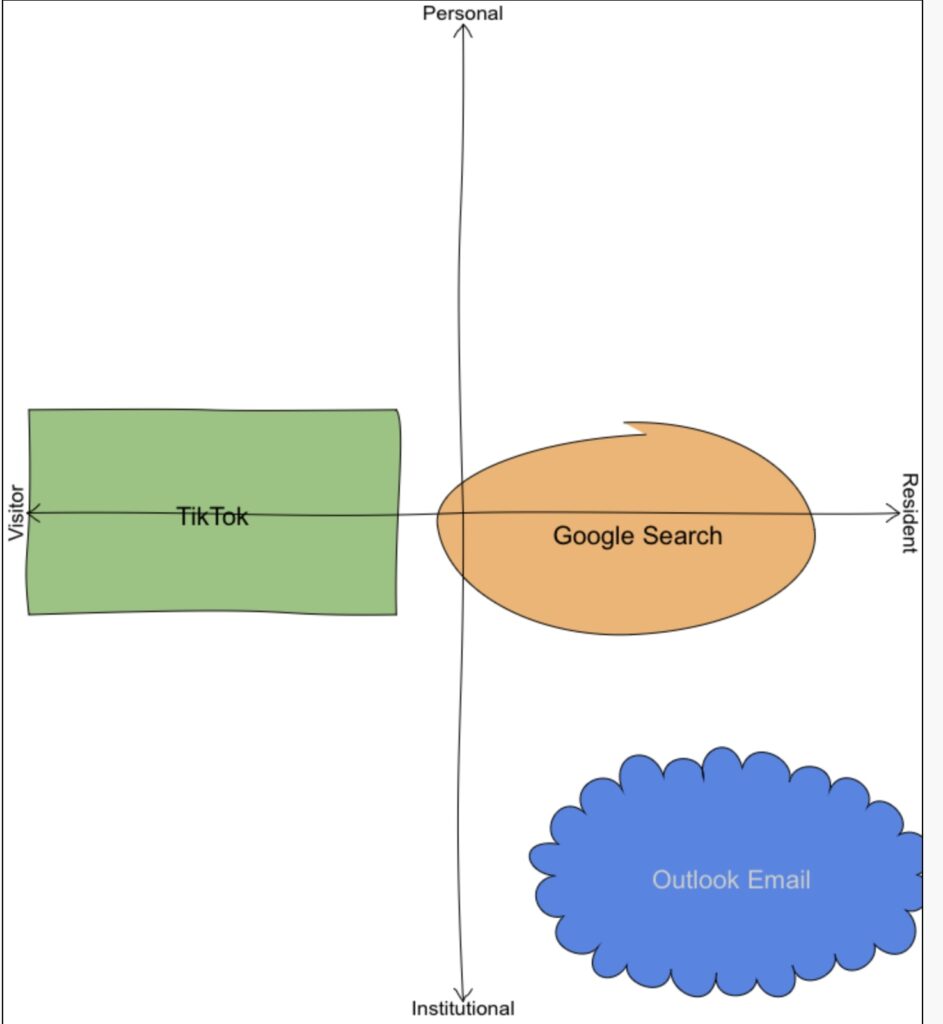
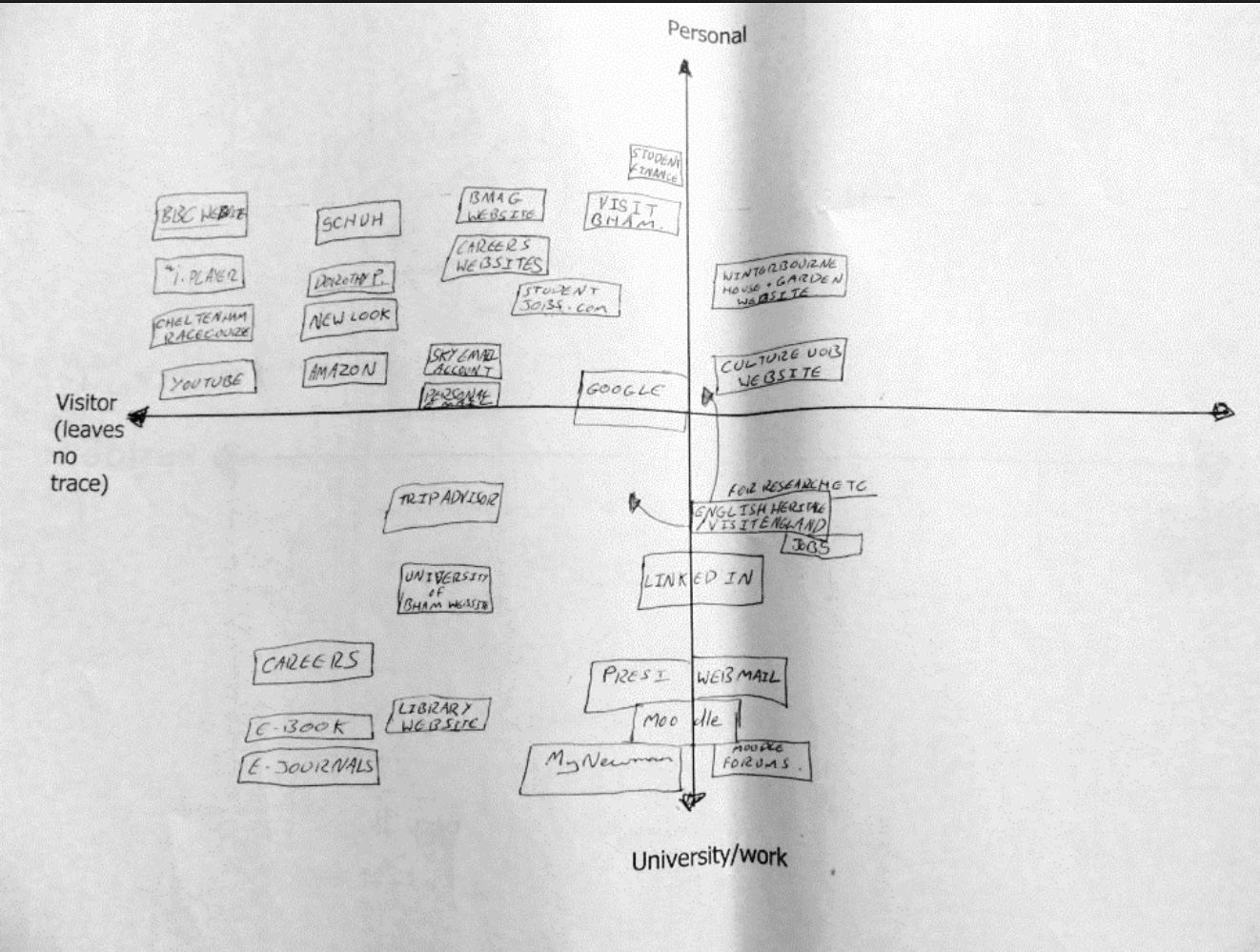
In today’s digitized world, we utilize various digital platforms to gather information, learn, and establish connections. Most of us are familiar with mainstream platforms such as Google, YouTube, and Outlook, which have become integral parts of our daily lives and education. However, I’ve recently discovered some unconventional and unexpected platforms that are also aiding people in expanding their professional networks.

Image source: Dave White’s V&R Mapping

What surprised me was that some individuals are actually leveraging platforms like Amazon and banking services to cultivate their network relationships. At first glance, this might seem unbelievable, but upon closer examination, I realized there’s immense potential hidden within. For instance, Amazon is not just a shopping platform; it also hosts various communities and forums where sellers, buyers, and experts can exchange and share their experiences. From my real experiences, some interactions between sellers and buyers in the comment section on platforms like Taobao are hilarious. They might mock or hint at each other, which I believe has been beneficial for my language learning journey. Meanwhile, banking platforms offer more than just financial services; they frequently organize online seminars and lectures, providing a space for professionals to interact.

These discoveries made me realize that there are many unexpected resources and platforms around us that can offer opportunities for learning and network-building. All we need is a change in perspective, and we can unveil the hidden value within.

Reflecting upon my V&R map, I noticed that my presence on digital platforms is quite limited. Apart from daily communication tools, I barely engage with other online platforms. This prompted me to think about how I can proactively explore and utilize these platforms to enhance my digital identity and broaden my professional network.

In today’s digital age, data privacy and security play pivotal roles in shaping a Personal Learning Network (PLN). Platforms like TikTok may limit PLN expansion due to data restrictions but simultaneously ensure user trust. Leveraging tools like Outlook for communication and Google for information curation, one can craft a robust digital identity. It’s essential to maintain professionalism and authenticity online. Think about potential employers: if they were to assess your digital footprint, what would they find? Posting crazy videos on video platforms, like shooting bullets into the sky, is a no-no. Your employer wouldn’t hire you for that. A well-maintained online presence can be the difference between landing a job or missing an opportunity.

What Does My Digital Identity Look Like?

Digital Identity: Face-to-Face vs. Behind the Screen

When we communicate online, are we truly representing ourselves? Hidden behind this question is the concept of “digital identity,” which has become a core topic in modern society.

What is Digital Identity?

Discovering My Digital Self

Every time I log onto Mattermost, a chat platform I often use, I find a version of myself that’s perhaps a tad more lively, a bit more humorous. It’s fascinating how a simple online platform can shift the dynamics of our personality. Is it merely the comfort of a screen, or do these platforms enable us to unleash facets of ourselves we never knew existed?

Gender and Digital Identity

In many country, the majority of men have a digital identity, but, in contrast, many women do not. This disparity may be influenced by various factors such as culture, economy, and education. Regardless, it’s an issue that needs attention.

The Authenticity of Digital Identity

Digital identities aren’t always genuine. I’ve been deceived by online fraudsters, losing money in the process. They crafted fake digital profiles, leading people to believe they were authentic and trustworthy.

Digital Identity and the Economy

For many students, digital identity offers opportunities to transform their lives. For instance, some students have become internet sensations through platforms like TikTok. Their digital personas have not only allowed them financial independence but have also influenced the entire economy.

The Reality Beyond Digital Illusions

In this digital age, it’s easy to get caught up in the allure of our online personas. But no matter how we present ourselves online, it’s just a fraction of who we truly are. Sadly, some misuse this digital space to deceive or engage in wrongful activities, eroding the trust between individuals. The real value of our digital identity should be about learning, communicating, and creating. Let’s focus on genuine connections and work to rebuild the trust that’s been lost in the digital abyss.

Personal Learning Networks and digital identity

Analyzing Personal Learning Networks (PLNs):

Definition: PLNs, or “Personal Learning Networks,” refer to a group of people connected through technology and social media tools. In today’s age of social media, networking isn’t just about posting photos or random thoughts. It has evolved into a vast web where professionals, learners, and curious minds converge to share knowledge. This convergence forms what we call “Personal Learning Networks” (PLNs). Imagine having the books from a global library, research papers from every university professor, and photographs from around the world available for browsing and learning on your screen – that’s the power of PLNs. They are customized networks we establish to satisfy our personal and professional learning needs.

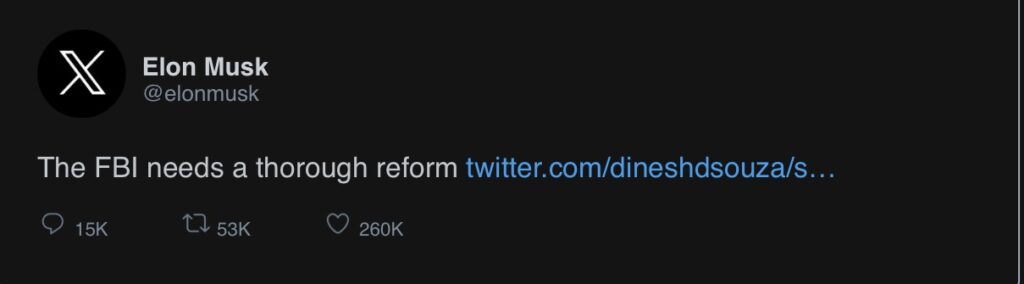
Risks and Rewards of PLNs: While PLNs can be enriching, it’s essential to remember that with great power comes great responsibility. Every post on the internet carries weight. A casual tweet by Elon Musk can cause a surge in his company’s stock prices, and a message from Donald Trump on Twitter can cause many to despise him. There’s also the issue of “cyberbullying,” where individuals online can freely critique what you post without any repercussions, potentially causing harm.

Embrace the Digital, But Stay Authentic: As we delve deeper into this networked era, it’s vital to use our PLNs with intention and caution. They are powerful tools for learning and connecting. However, as we embrace the digital, it’s equally crucial to safeguard our privacy. After all, in the web, you never truly know the nature of those lurking in the shadows.

© 2026 My Page

Theme by Anders NorenUp ↑